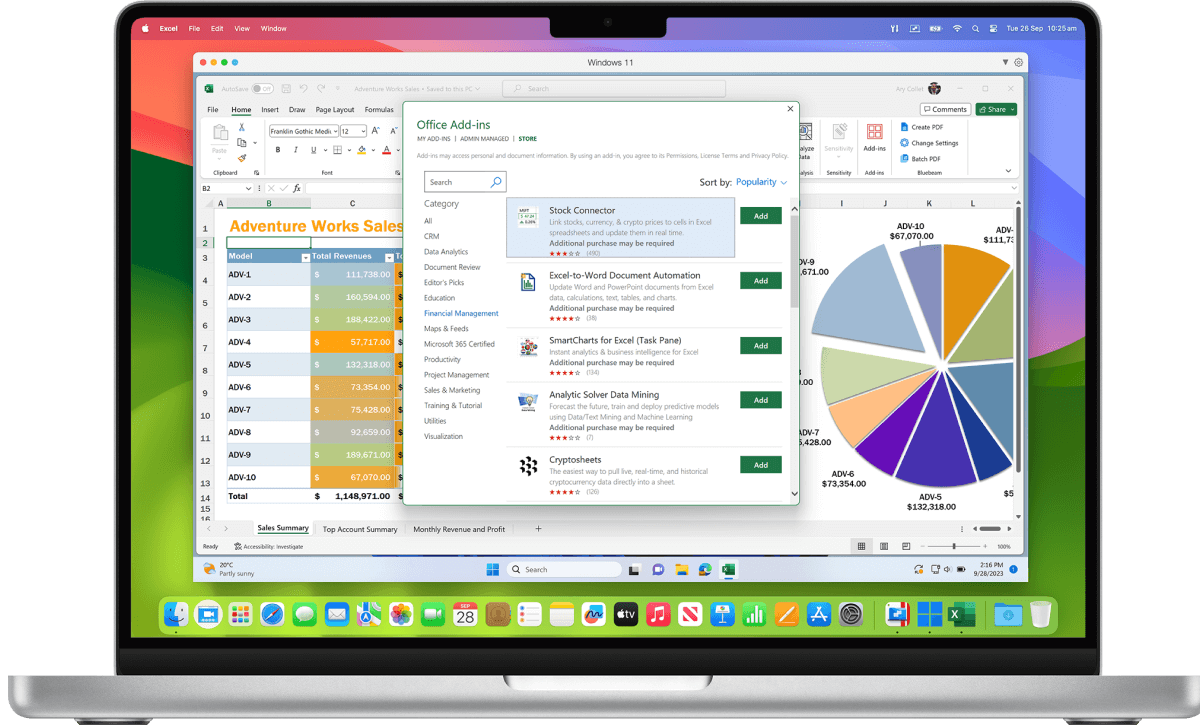




Many people aren’t aware of the differences between Boot Camp and Parallels Desktop. Although both allow you to run Windows on a Mac, that’s where the similarities end.
![]() Windows XP running natively on a |
Boot CampApple’s partitioning software that allows you to re-partition your Intel-Mac’s hard drive to dual-boot Windows and Mac OS X. You can run a separate installation of Windows natively on your Mac — just like a PC. However, there are limitations in Boot Camp. You can’t run both OSes at the same time. So, if there’s a Windows program you want to use, you need to boot out of Mac OS X and switch into Windows. |
![]() Windows XP running on a Parallels |
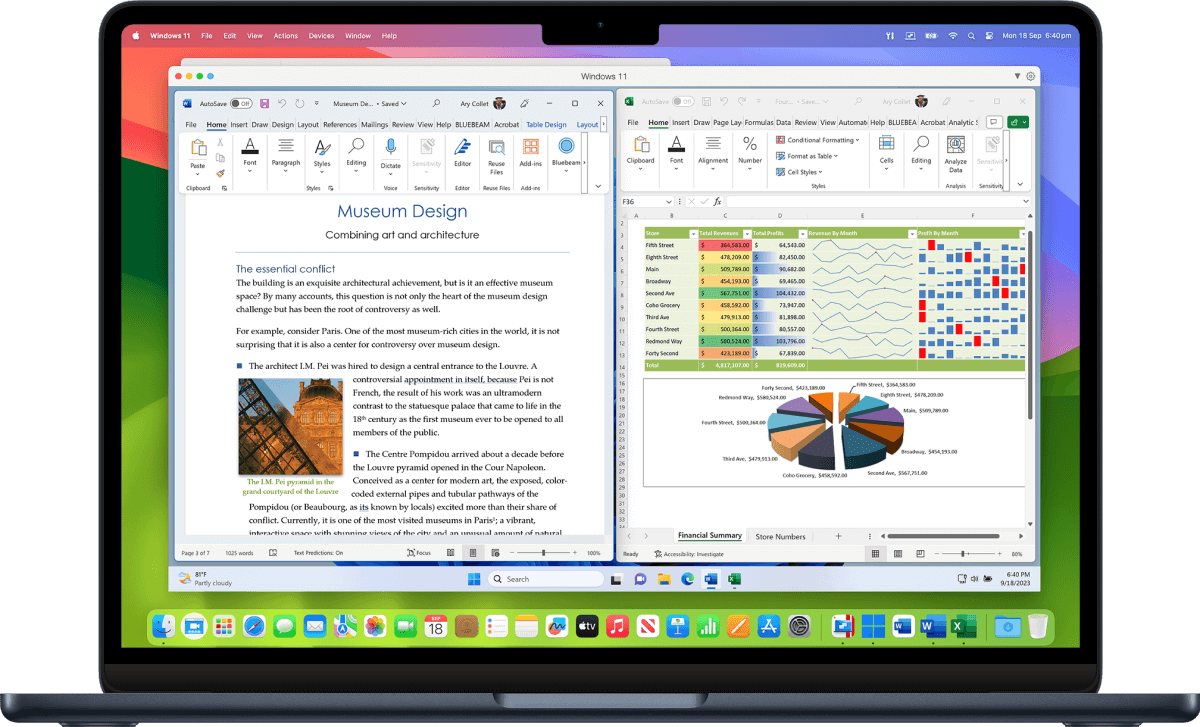
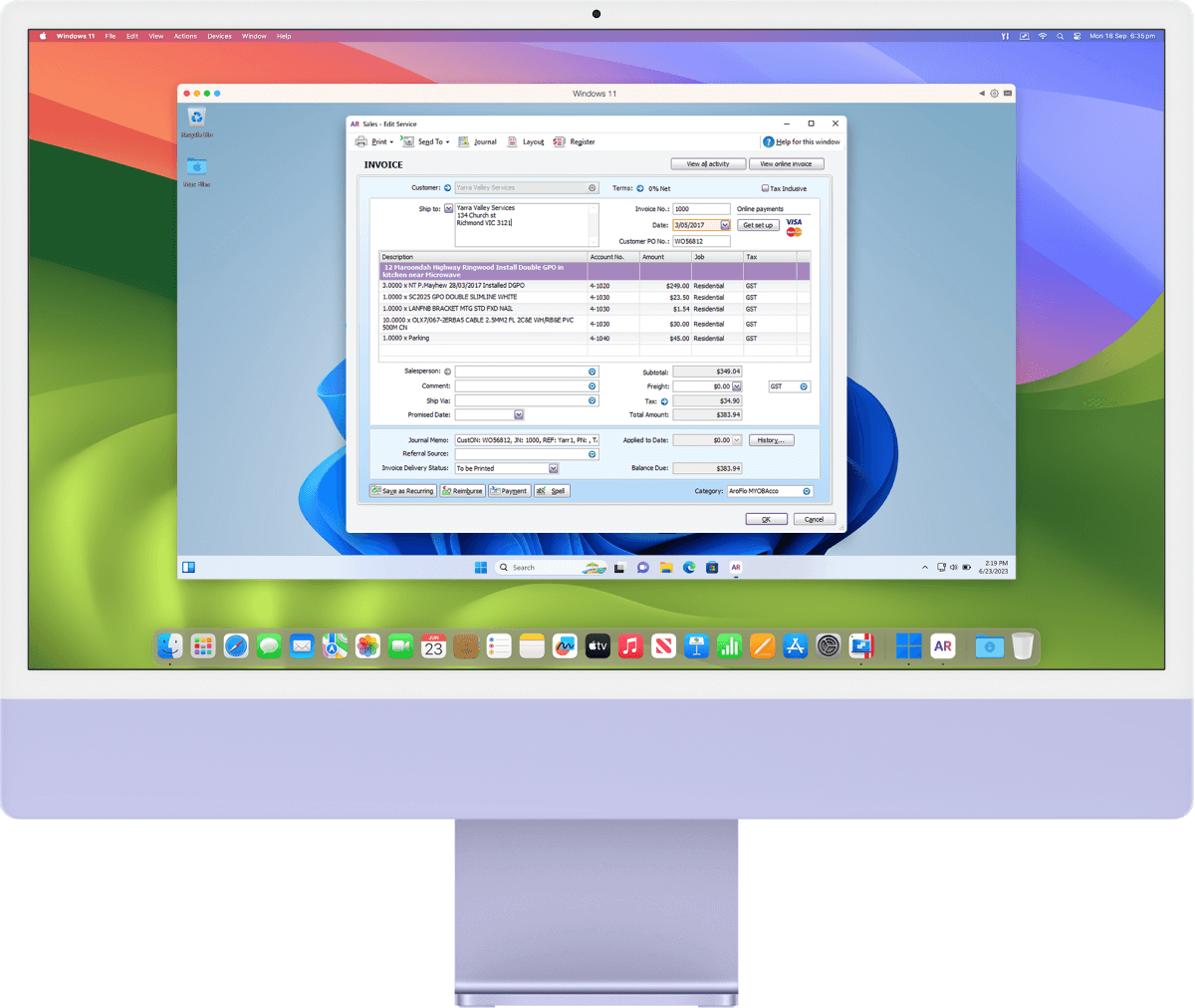
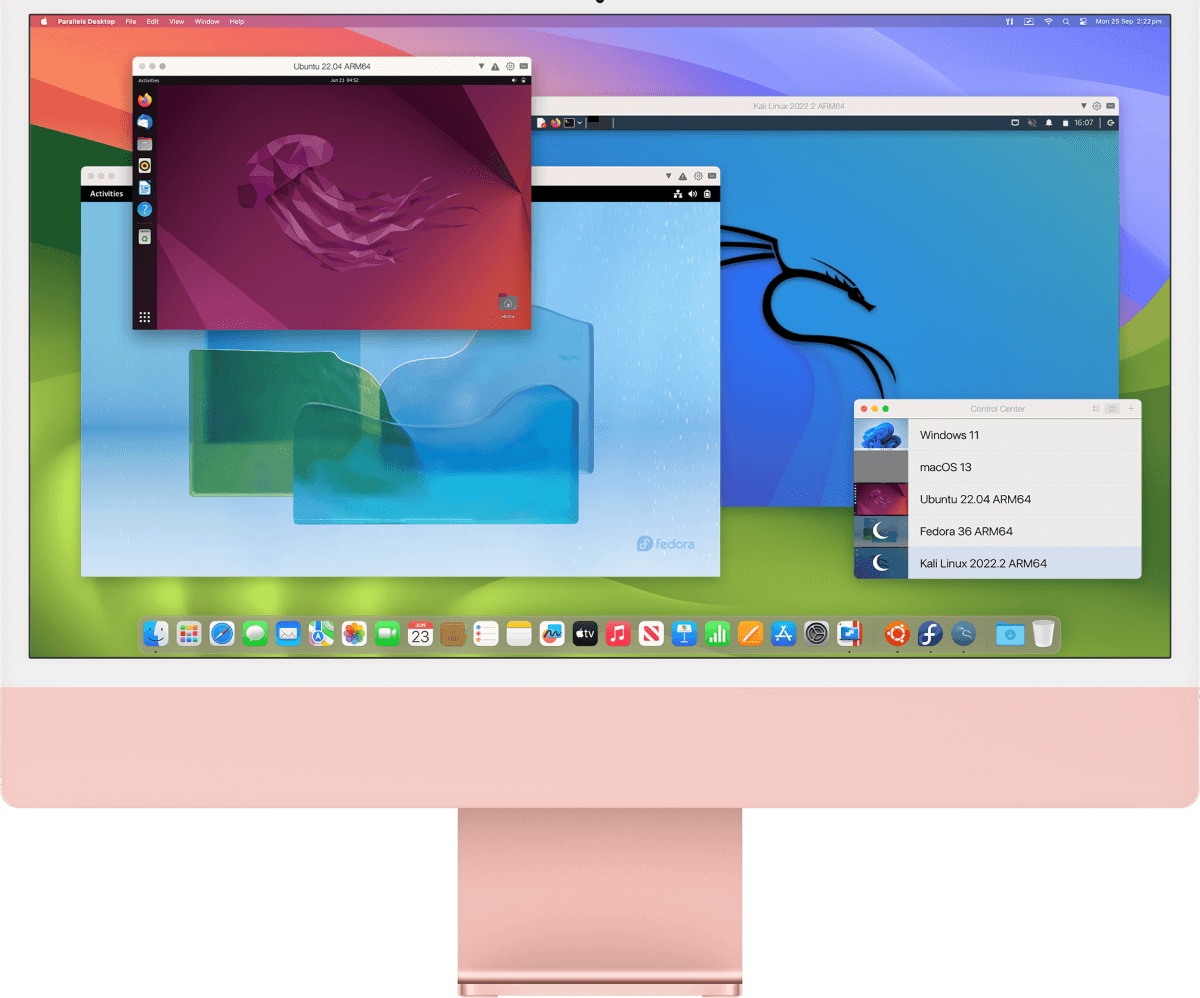
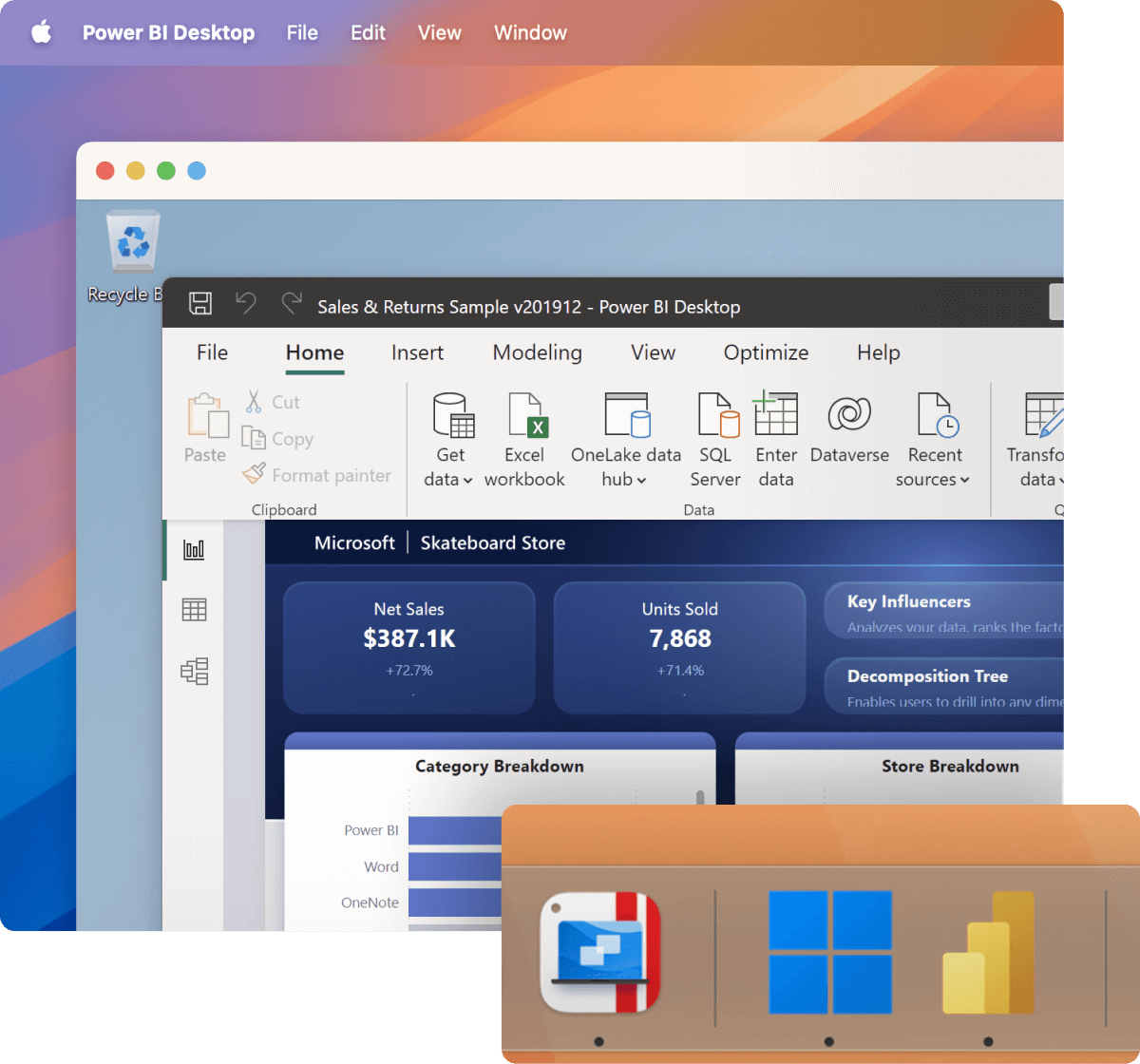
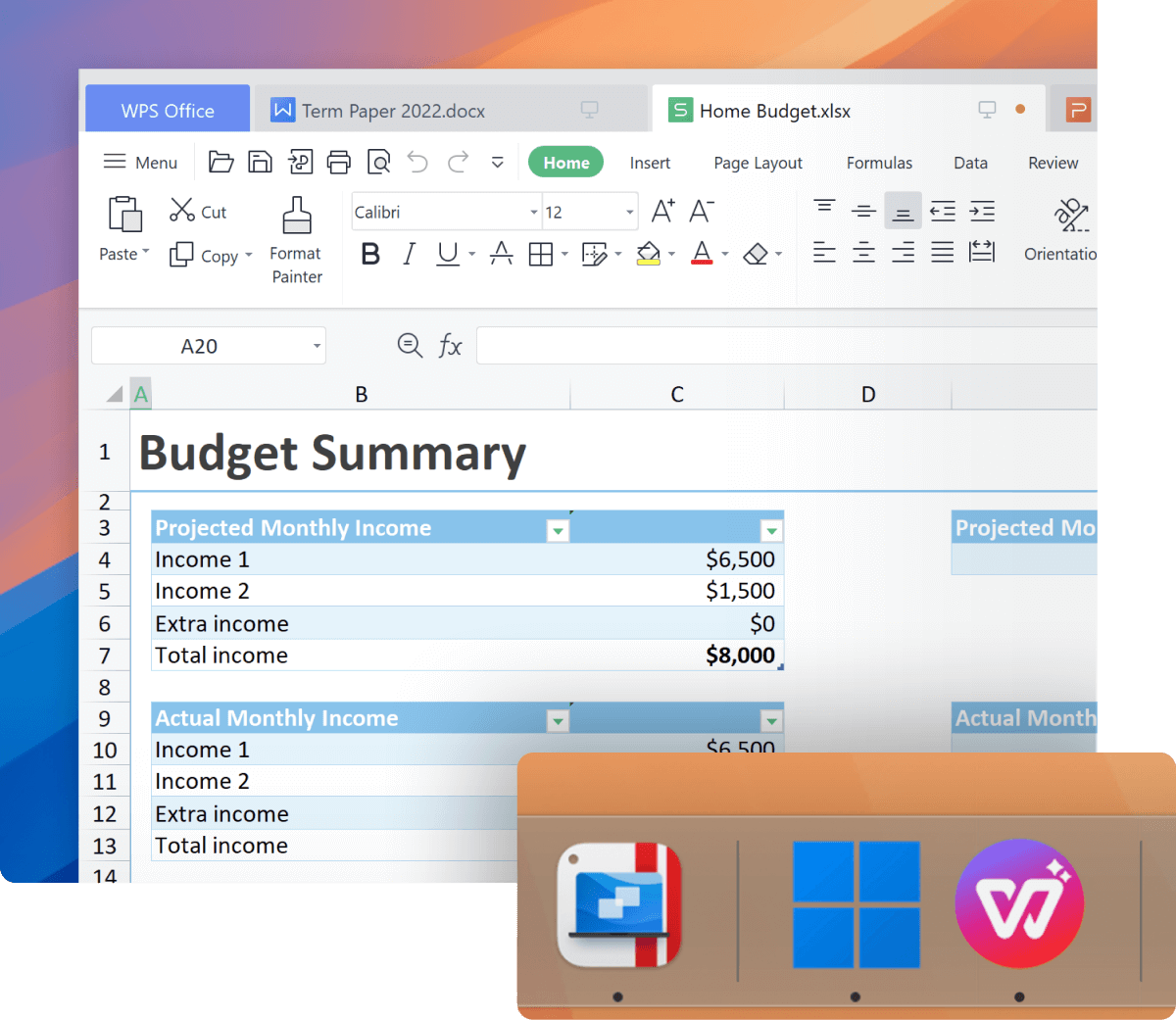
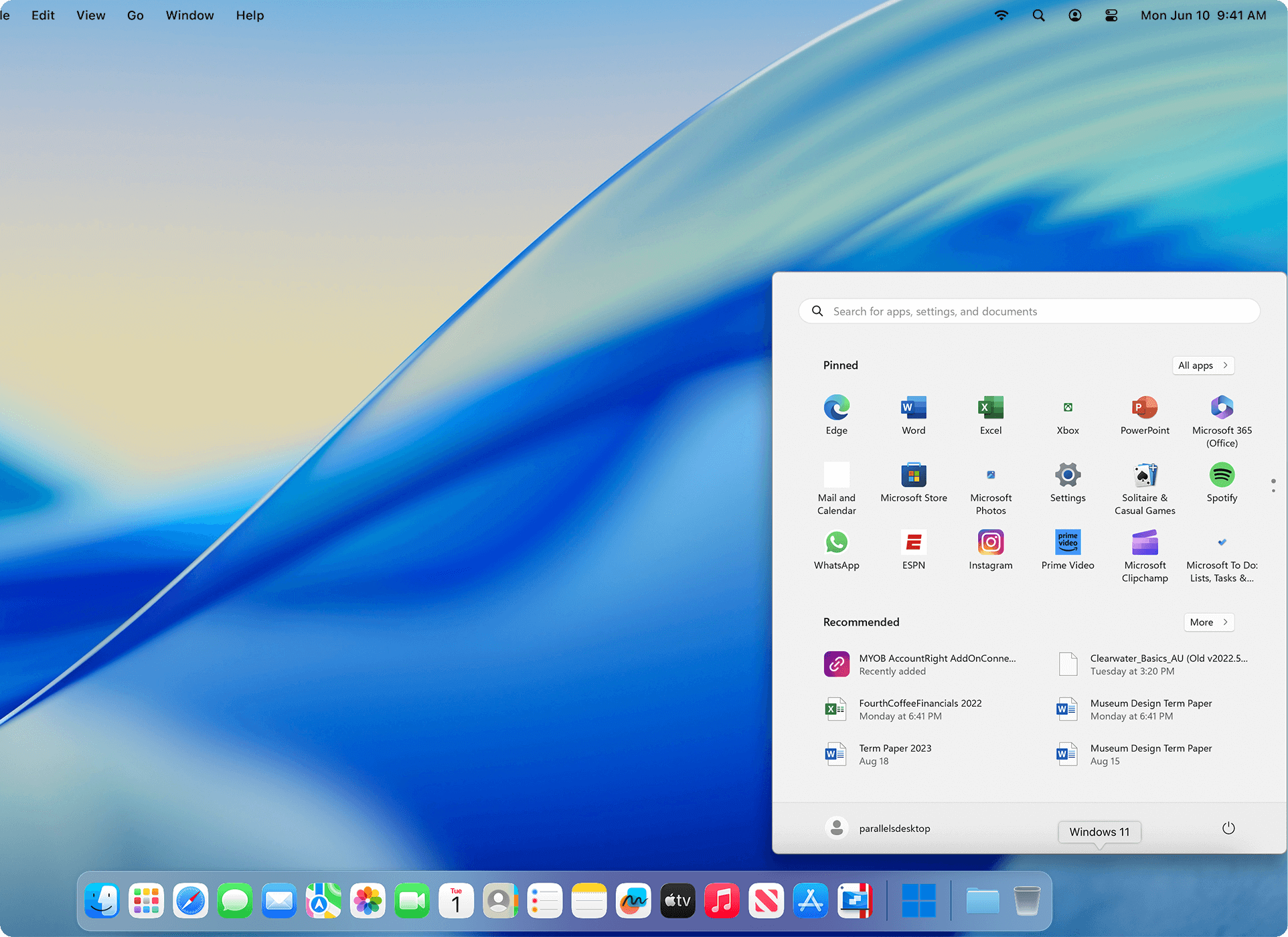
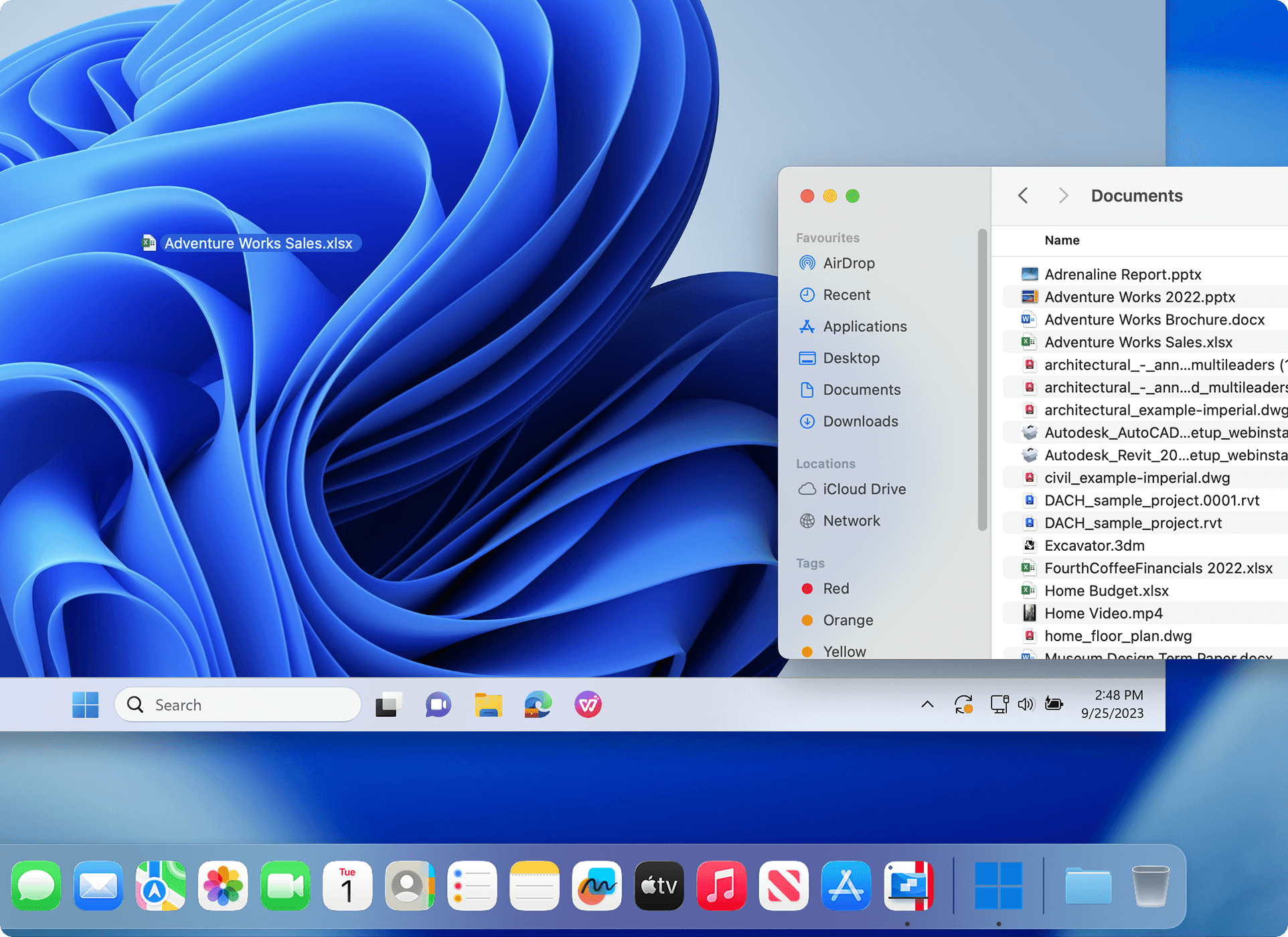
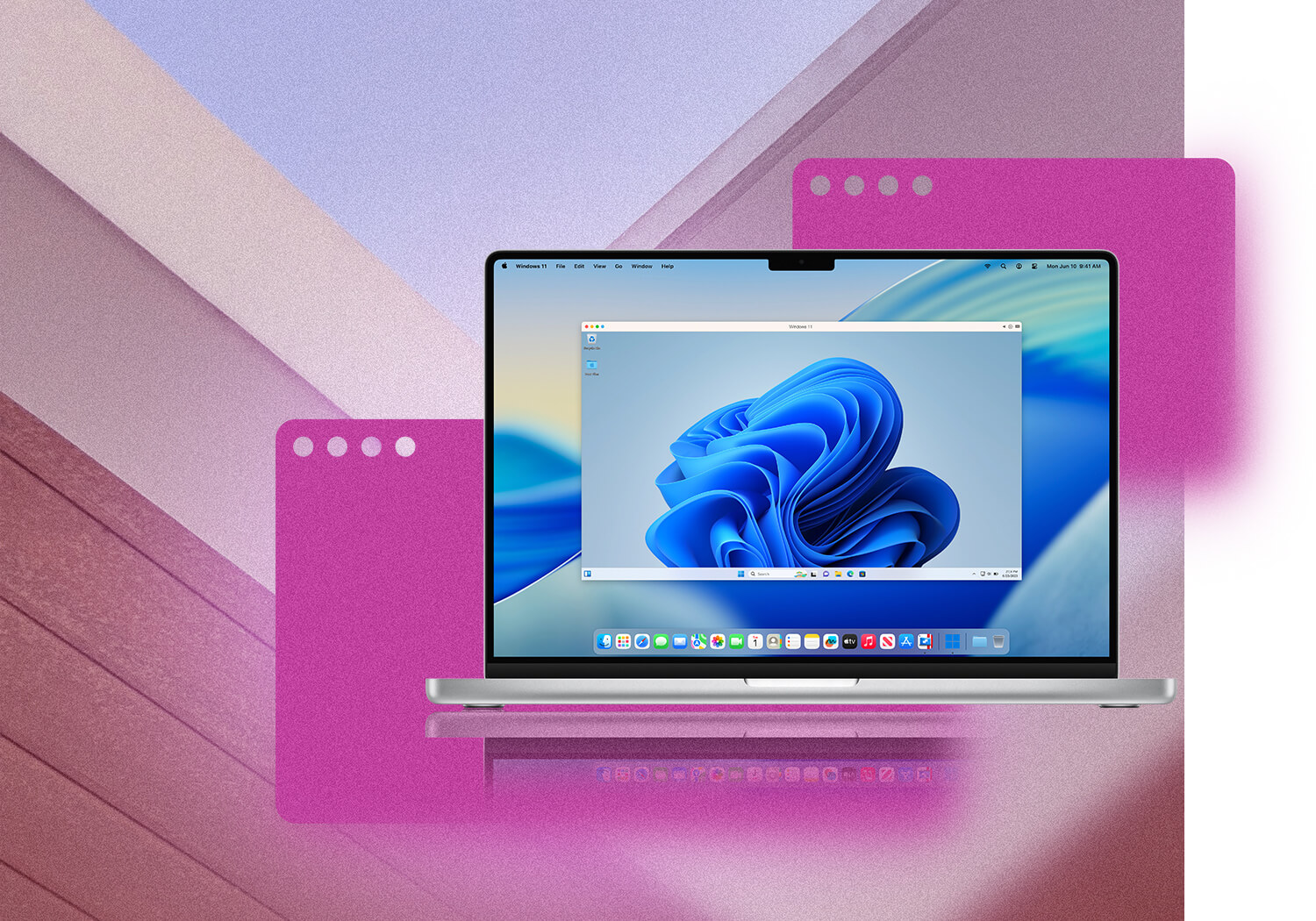
Parallels Desktop for MacAllows you to run Windows and Mac OS X side-by-side on any Intel-Mac — without rebooting. You can also launch Windows programs from the Mac Dock right on the Mac OS X desktop for a more seamless user experience. |
Parallels Desktop gives Boot Camp users greater flexibility and more possibilities for running Windows on a Mac. Boot Camp users can switch from Mac OS X to Windows to run high-performance PC-only software at full speed in a Mac’s native hardware environment or use a wider range of peripheral devices.
Using that same Windows partition, Boot Camp users can take their Windows + Mac environment further by utilizing the integration features in Parallels Desktop. With Parallels Desktop for Mac, Boot Camp users can:
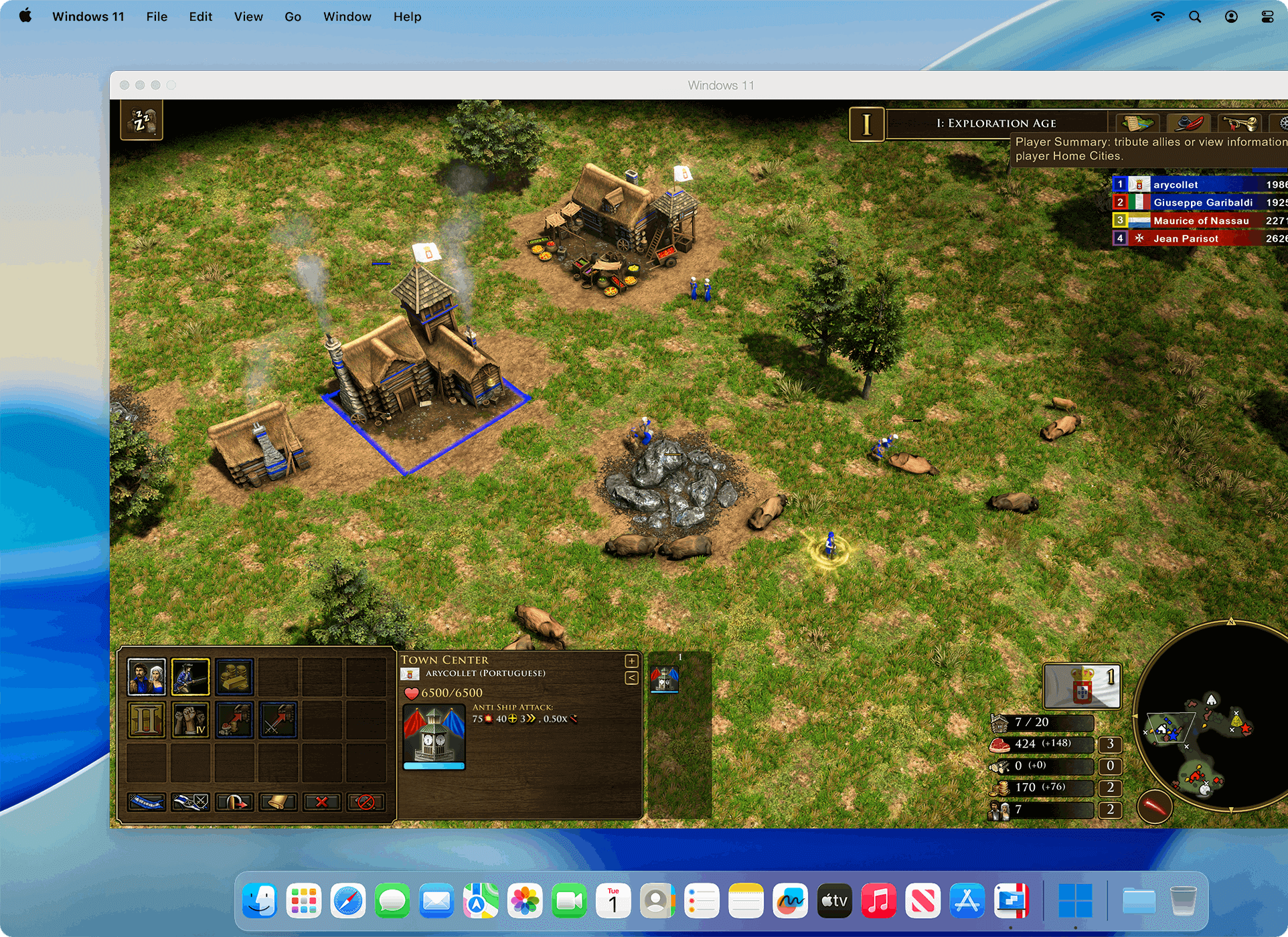
Use Windows and Mac OS X at the same time — without rebooting!
Run Windows programs like native Mac apps right on the Mac desktop using Coherence®.
Drag-and-drop files and copy-and-paste data between Windows and Mac OS X.
Open Windows files with Mac apps and Mac files with Windows apps using SmartSelect™.
Share files and folders between Windows and Mac OS X with Parallels Complete Shared Folders.
Use your favorite USB and other peripheral devices.
Create and manage multiple virtual machines supporting Windows, Linux and most 32-bit OSes.
Achieve maximum performance by leveraging Intel® Virtualization Technology.
Trial does not include a copy of Apple Boot Camp.
Already using Apple’s Boot Camp? Get the best of both worlds and industry-leading OS integration. The most innovative features, Parallels Desktop just made your Windows + Mac experience even better.
If you’re already using Boot Camp, you don’t have to reinstall Windows to benefit from Parallels Desktop.
Use your previous Boot Camp installation of Windows XP or Windows Vista via a Parallels Desktop virtual machine.
The Boot Camp partition can act as a bootable volume disk in Parallels Desktop, giving you complete access to all of your Windows software, system settings, files and folders in a virtual machine.
Alternatively, you can add the Boot Camp partition as a data disk to any Parallels Desktop Virtual Machine.
Before using Boot Camp with Parallels Desktop, it is recommended that you review the Boot Camp section of the Parallels Desktop User Guide (Chapter 14 — ’Using Boot Camp Windows Partition’).
Already using Boot Camp but are not ready to upgrade to Mac OS X Leopard? Parallels Desktop makes life easy by giving beta users access to their pre-existing Windows Boot Camp partition.
According to the Apple website, the beta release of Boot Camp expired on September 30, 2007. While your Windows installation will still work, utilities such as the Boot Camp Assistant — used for setting up and managing the Windows partition on a Mac — will no longer open. (This means that beta users cannot change their Boot Camp partition size or burn a device driver CD.)
[Oct 10, 2007] Apple stops Boot Camp downloads (InfoWorld)
[Oct 06, 2007] Parallels Answers the Expiring Mac Boot Camp Issue (InfoWorld)
[Sep 25, 2007] When does Apple Boot Camp Expire? (Apple Support Docs)
Now with more than 1,000,000 users worldwide, Parallels Desktop for Mac is the world’s No. 1 Mac System Utility. The industry’s top-rated, most innovative, award-winning solution, Parallels Desktop is a must-have for running Windows on Mac OS X. See how Parallels Desktop for Mac stacks up.